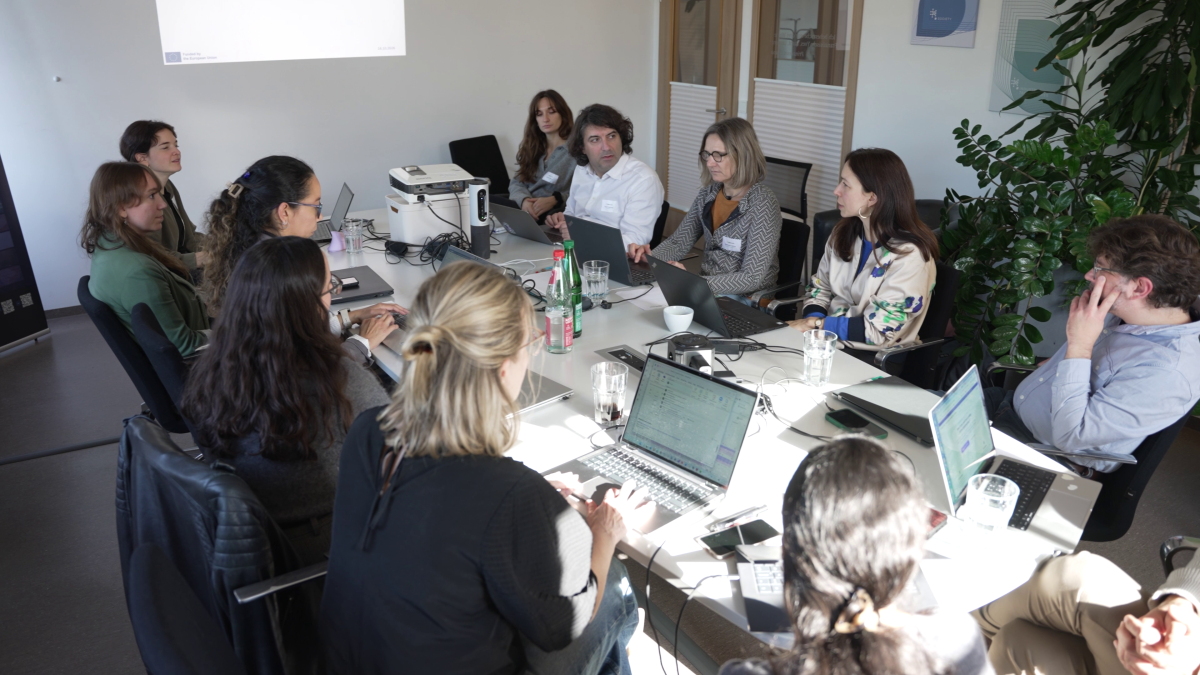
5th READJUST Progress Meeting in Berlin, Germany
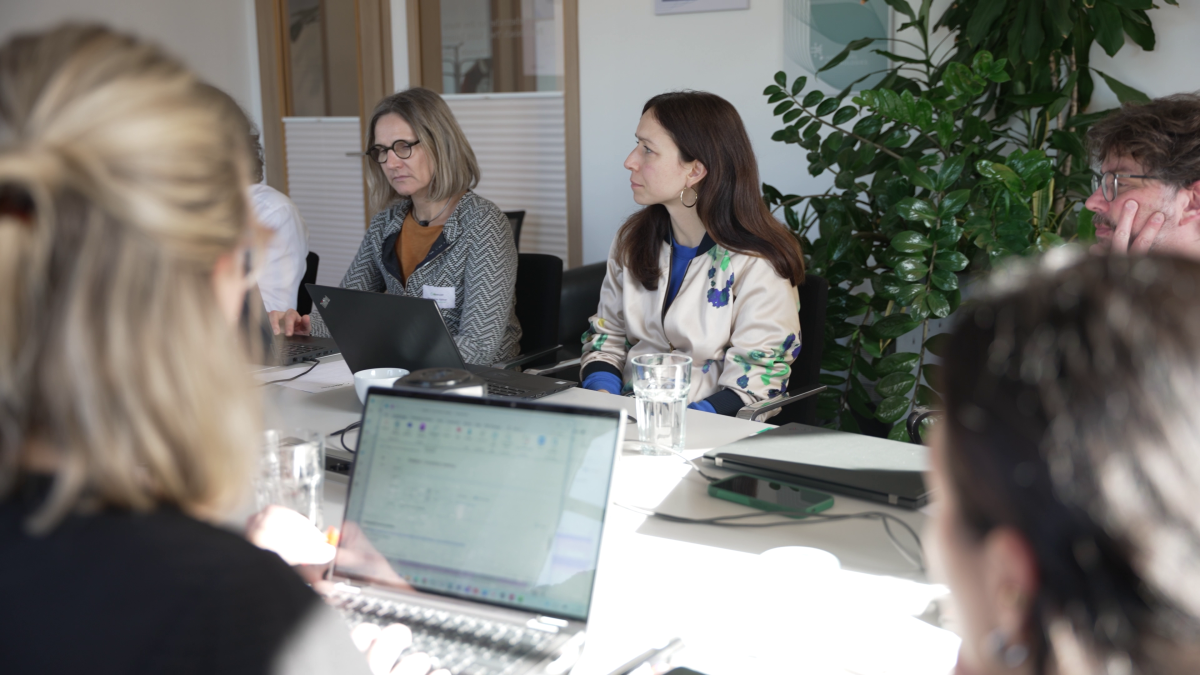
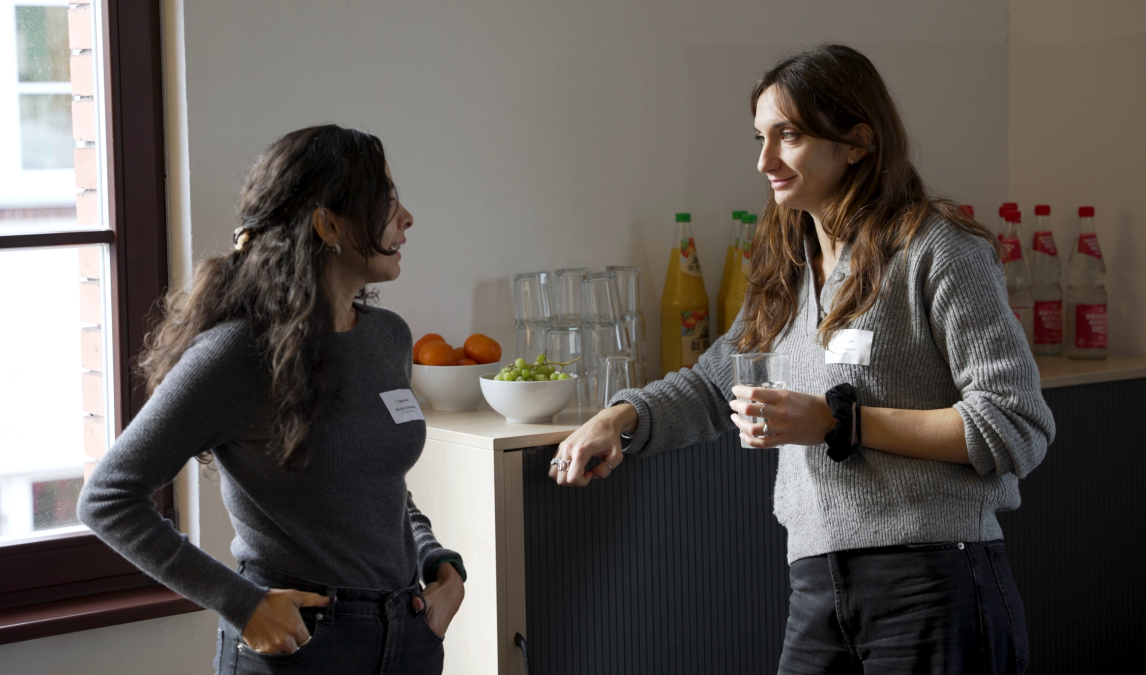
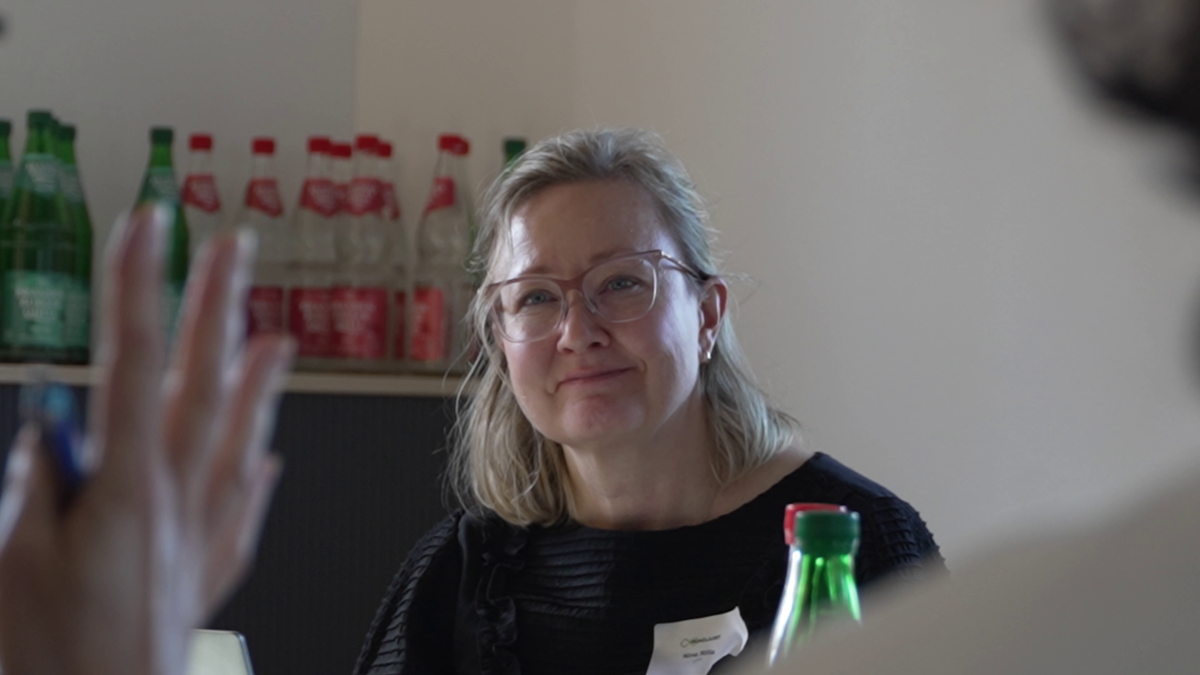
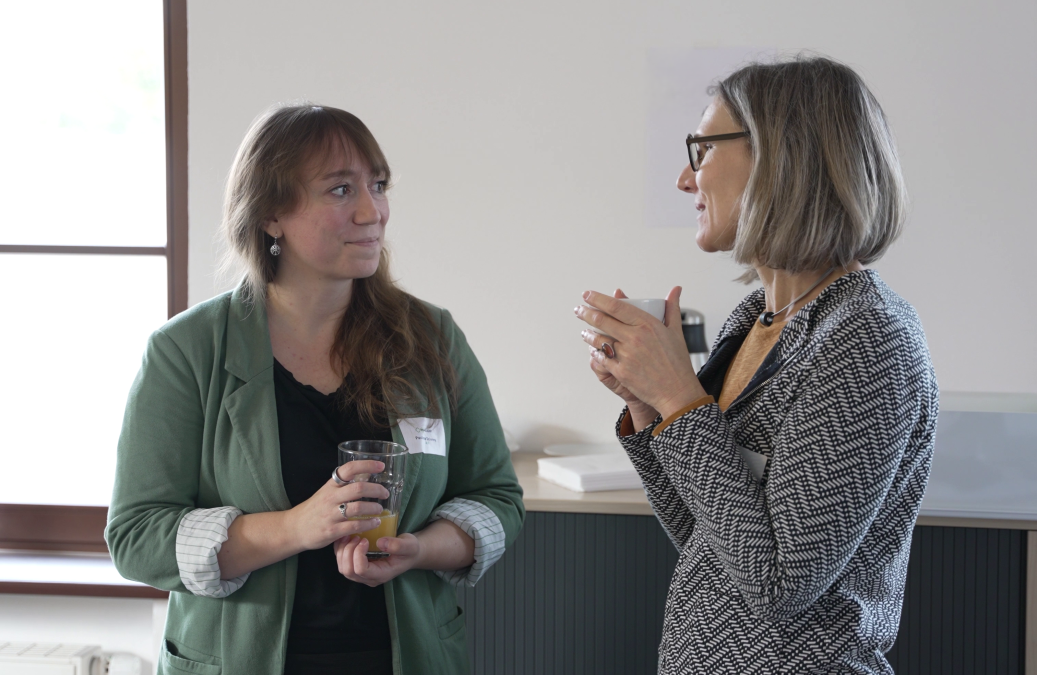
On 15–16 October 2026, the READJUST consortium gathered in Berlin for the project's 5th in-person meeting. Over two days, project partners reviewed progress made so far, exchanged ideas and discussed the next steps towards the project's shared goal: ensuring that Europe's green and digital transitions are fair, inclusive and leave no one behind.
Connecting Research, Tools and Policy Development
The first day of the meeting, hosted at Fraunhofer Forum Berlin, focused on connecting the project's research activities and translating findings into practical approaches for policymakers. A key topic was the READJUST Observatory, which brings together various tools designed to help identify, understand and address inequalities associated with the green and digital transitions. Partners exchanged perspectives on the Policy Tracker, Inequality Index, Equality Self-Assessment Tool and future scenario videos, discussing how these complementary resources can support evidence-based policymaking.
The consortium also explored findings and experiences from READJUST's case studies in the mobility and agri-food sectors. Focusing on Helsinki and Vitoria-Gasteiz in the mobility sector, and Poland and the Balearic Islands in the agri-food sector, the discussions highlighted opportunities for cross-sector learning and for translating research insights into more inclusive policy approaches.
Bringing Policy Perspectives into the Discussion
A particular highlight of the meeting was the policy roundtable "Mobility in Transition: Co-creating Policy Mixes for Justice in Green and Digital Transitions", held on 15 October at the Fraunhofer Forum. The roundtable brought together researchers, policymakers and mobility stakeholders to explore how green and digital mobility policies can better address existing and emerging inequalities.
Building on initial findings from READJUST's policy analysis, participants discussed which dimensions of inequality are already addressed by current policy frameworks, where important gaps remain and how policies could be strengthened to promote more equitable outcomes. An interactive co-creation session encouraged participants to exchange perspectives. The discussions placed particular emphasis on the importance of considering local experiences and strengthening coordination across different levels of policymaking. The roundtable reflected READJUST's commitment to connecting scientific evidence with practical policy needs and involving relevant stakeholders in shaping more inclusive transitions.
Strengthening Stakeholder Engagement and Knowledge Exchange
The second day, hosted by EURICE, focused on stakeholder engagement, knowledge exchange and the future uptake of READJUST results. An interactive workshop explored approaches to building and sustaining meaningful stakeholder participation throughout the research and innovation process. The consortium also welcomed insights from two other EU-funded projects, RURACTIVE and INCREASE, which shared their experiences and approaches to stakeholder engagement. Drawing on these examples, participants explored how to activate stakeholder networks, encourage meaningful participation and maintain long-term engagement.
The workshop offered an opportunity to exchange experiences across projects and consider how successful approaches can inform READJUST's ongoing activities. A further session focused on exploitation planning and the potential use of READJUST results beyond the project itself, with particular attention to their relevance for policymakers and other stakeholders.
Moving Towards More Inclusive Transitions
The Berlin meeting highlighted the importance of collaboration across disciplines, sectors and stakeholder groups in addressing the social implications of Europe's green and digital transformation. By connecting research findings, analytical tools, case study experiences and policy perspectives, READJUST continues to work towards practical, evidence-based approaches that help policymakers recognise and address inequalities.